Blog

  • 12 Beautiful Places To Visit In Ireland

    12 Beautiful Places To Visit In Ireland

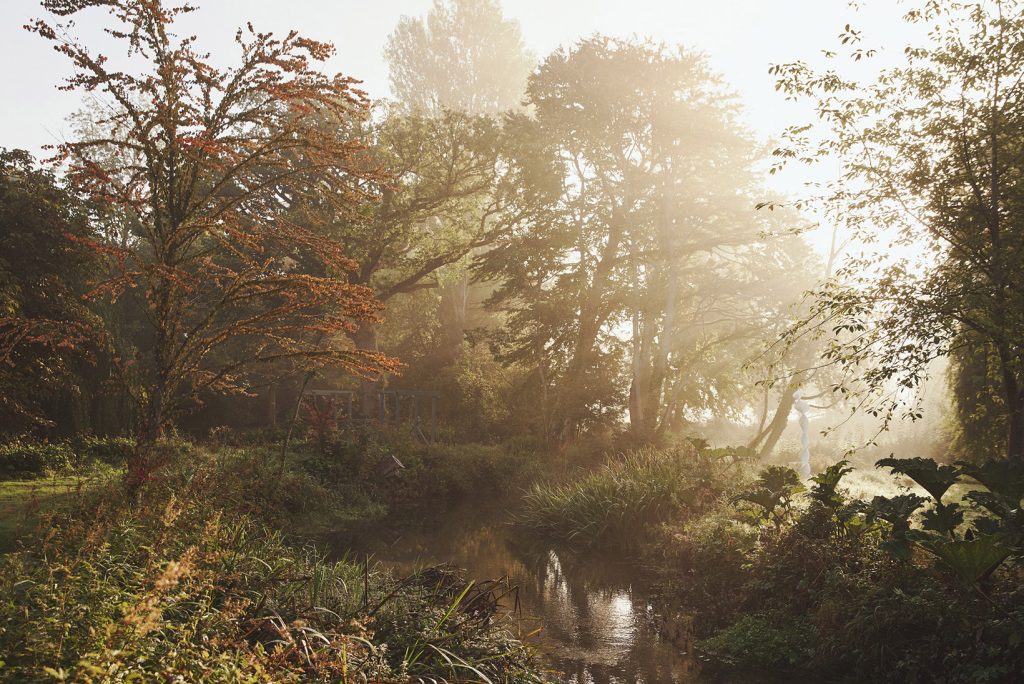
    I’d never really been a fan of autumn. It just always reminded me that the glorious sunny days of summer were over and the cold, dark (and mostly wet) days of winter were on their way.

    I feel like the first half of autumn was spent missing summer and the latter half preparing for winter so I never really fully embraced autumn for all its beauty.

    All of this changed when we finally visited Quebec. Turns out, my disdain for autumn was mostly because I’d never really ‘done autumn right. If ever there was a place to truly fall in love with autumn, Quebec’s that place.

    We arrived into Quebec City at night and after a solid 10 hours sleep (always a great way to beat jetlag), we got up bright and early, eager to go explore the city.
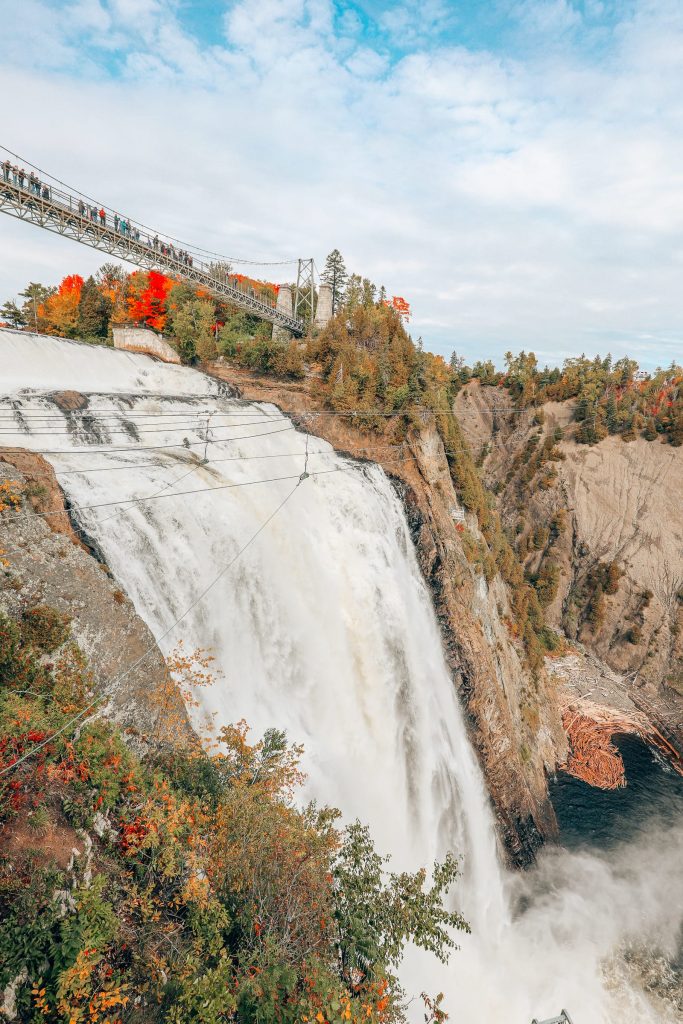
    It’s something of a beauty (you can actually walk over it) and is so easy to get to from the city centre that you just have to visit when you’re in Quebec.
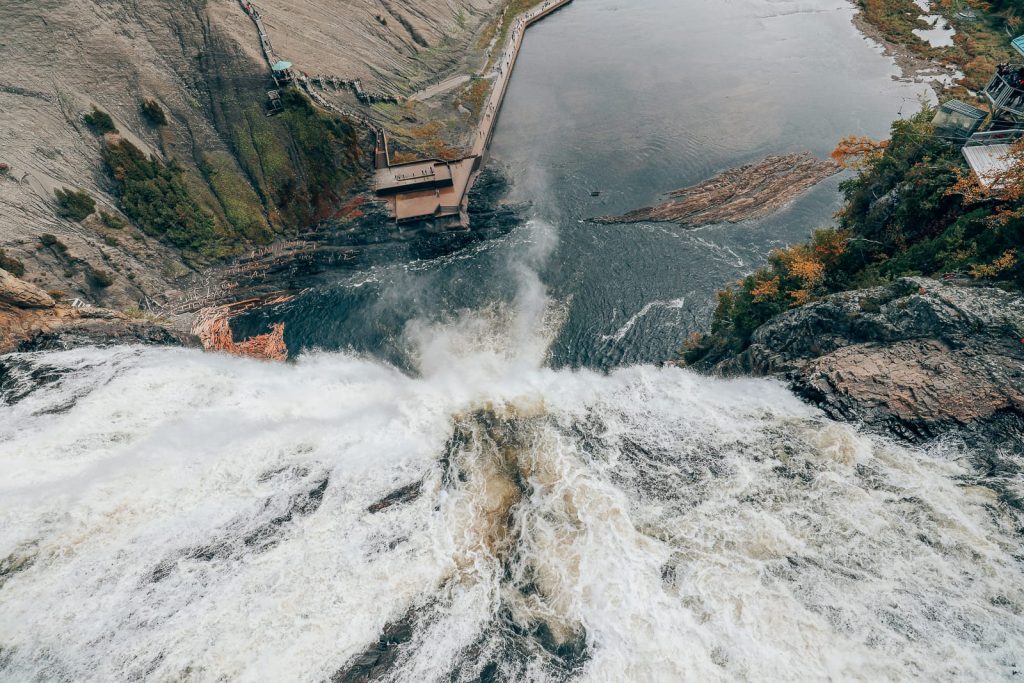
    I think it’s also a testament to the city that the cold air that has set in did nothing to dampen our enthusiasm as we explored the city that evening.

  • 12 Beautiful Places To Visit In Ireland

    I’d never really been a fan of autumn. It just always reminded me that the glorious sunny days of summer were over and the cold, dark (and mostly wet) days of winter were on their way.

    I feel like the first half of autumn was spent missing summer and the latter half preparing for winter so I never really fully embraced autumn for all its beauty.

    All of this changed when we finally visited Quebec. Turns out, my disdain for autumn was mostly because I’d never really ‘done autumn right. If ever there was a place to truly fall in love with autumn, Quebec’s that place.

    We arrived into Quebec City at night and after a solid 10 hours sleep (always a great way to beat jetlag), we got up bright and early, eager to go explore the city.

    It’s something of a beauty (you can actually walk over it) and is so easy to get to from the city centre that you just have to visit when you’re in Quebec.

    I think it’s also a testament to the city that the cold air that has set in did nothing to dampen our enthusiasm as we explored the city that evening.

  • Wonderings: are the stars our destination?

    Aside from a few forays to France, the furthest my maternal grandparents travelled was Pembrokeshire, Wales (repeat visits to a wind-buffeted static caravan in Croes-goch, if you must know). Just a generation later, my parents’ peregrinations had encompassed most of Western Europe.

    As of writing, I’ve visited about 50 countries (I counted them up once, but have forgotten the total), most of them during two spells of backpacking – first across the US, then around the world – plus others as and when the opportunity arose.

    My wife has been to twice that number of destinations, and I’d wager that a significant proportion of the people who comprise Lonely Planet’s extended community – staff and contributors, followers and fans – have led equally footloose lives.

    The trend continues, too: my son, four, and daughter, one, have already visited many more places than my grandparents did in their entire lives. In fact, Harvey probably covered more miles in utero than they managed in total.

    Caption of Image

    Our expanding horizons

    You can visualise each generation’s expanding horizons as a series of concentric circles, like ripples spreading out from a stone dropped in a pond; assuming that trend doesn’t go into reverse (which is possible, of course, given variables like climate change), where will the edge of my children’s known universe lie? Just as I have explored the far side of this planet, might they explore the far side of another world?

    It’s not as far-fetched as it sounds. As it often does, the stuff of science fiction has become the stuff of science fact: the race for space is more competitive now than it has been at any time since Neil Armstrong took that famous first step on the surface of the Moon, an epoch-defining moment that happened 50 years ago this July.

  • Wonderings: are the stars our destination?

    Wonderings: are the stars our destination?

    Aside from a few forays to France, the furthest my maternal grandparents travelled was Pembrokeshire, Wales (repeat visits to a wind-buffeted static caravan in Croes-goch, if you must know). Just a generation later, my parents’ peregrinations had encompassed most of Western Europe.

    As of writing, I’ve visited about 50 countries (I counted them up once, but have forgotten the total), most of them during two spells of backpacking – first across the US, then around the world – plus others as and when the opportunity arose.

    My wife has been to twice that number of destinations, and I’d wager that a significant proportion of the people who comprise Lonely Planet’s extended community – staff and contributors, followers and fans – have led equally footloose lives.

    The trend continues, too: my son, four, and daughter, one, have already visited many more places than my grandparents did in their entire lives. In fact, Harvey probably covered more miles in utero than they managed in total.

    Caption of Image

    Our expanding horizons

    You can visualise each generation’s expanding horizons as a series of concentric circles, like ripples spreading out from a stone dropped in a pond; assuming that trend doesn’t go into reverse (which is possible, of course, given variables like climate change), where will the edge of my children’s known universe lie? Just as I have explored the far side of this planet, might they explore the far side of another world?

    It’s not as far-fetched as it sounds. As it often does, the stuff of science fiction has become the stuff of science fact: the race for space is more competitive now than it has been at any time since Neil Armstrong took that famous first step on the surface of the Moon, an epoch-defining moment that happened 50 years ago this July.

  • Bucket-List Skiing—for Every Level

    Bucket-List Skiing—for Every Level

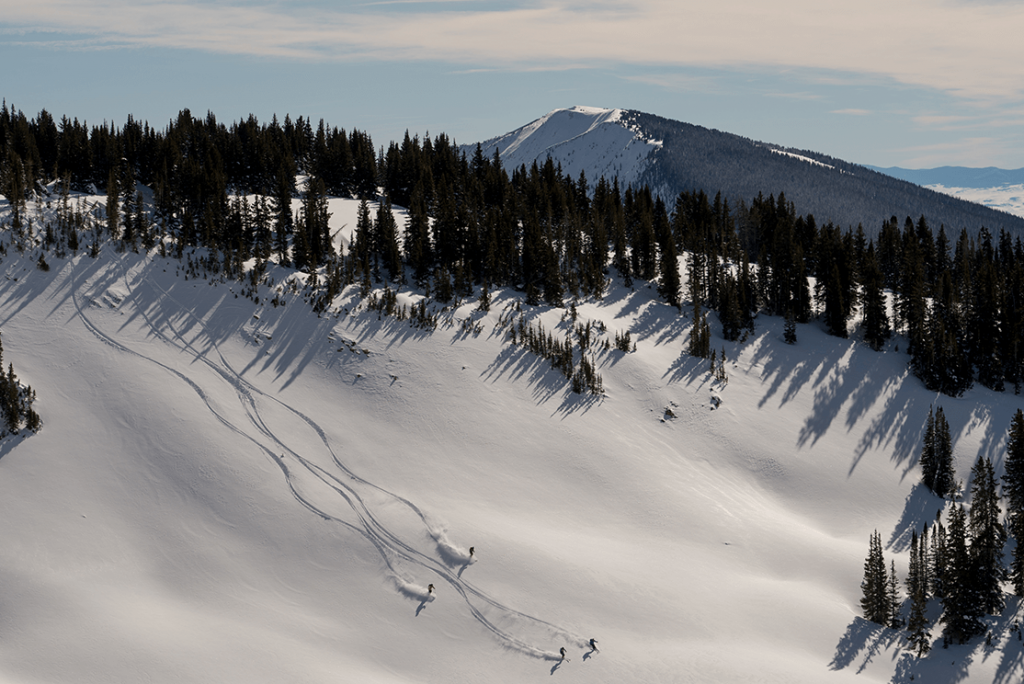
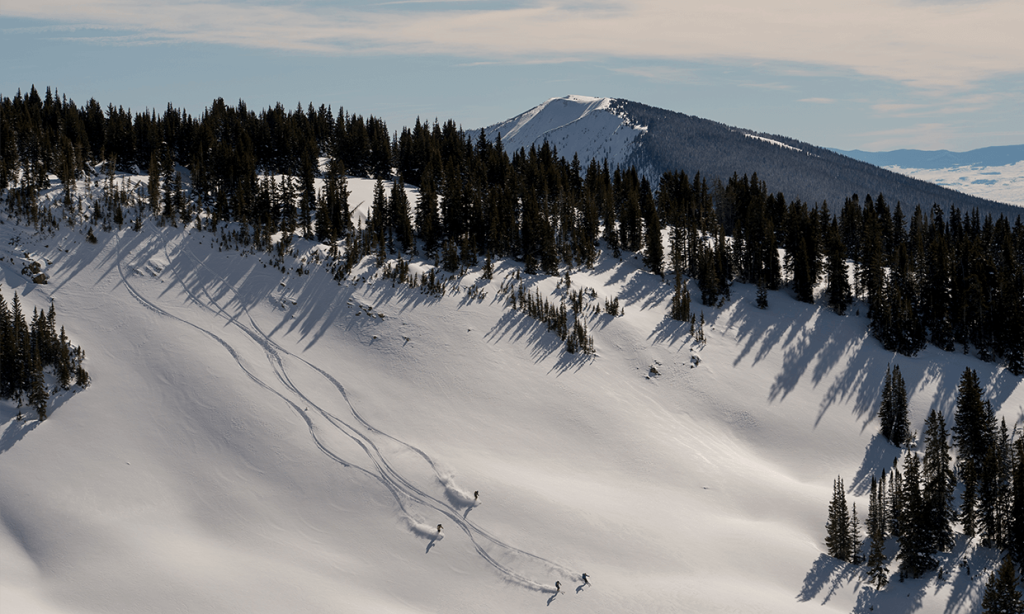
    No crowds, no lines. No vista dotted with chairlift towers and snow plowers. Just the whip of wind that’s requisite at 10,000 feet and a survey below of 1,000 glistening acres of powder—a mix of chutes, tight tree runs, and open bowls, most directly on the fall line. Which means that when you point your skis down, you don’t need to fight the hill to stay straight. When you tighten your boot buckles, strap on your skis, and go, you want to go without stopping, if only because when you stand at the bottom of the run and look up at the path you’ve cut above, it’s likely one of the only times in your life you’ll see your tracks intact, completely undisturbed by other skiers. Such is the life of a cat skier.

    I was a competitive mogul skier growing up—during the season, I spent three days a week on the mountain (my hippie school went to the ski area every Wednesday afternoon in the winter), as well as my entire Christmas break. The sport was, more or less, my life, with ski camps in the summer, dryland training, and thinking about skiing all fall, including watching all the requisite Warren Miller movies to get extra psyched up. When I wasn’t training with my team, I would ski by myself or with a gang of guy friends or, if the chair gods aligned, with my dad. Every winter, my dad would go up north to the Selkirk Mountains in Canada for a week of cat skiing with his friends. He promised that when I was a verified adult—i.e., old enough to appreciate the experience and never forget it—he would take me with him. But as luck would have it, he took a wrong turn up there, went off a small cliff, and set off an avalanche. He had to be long-lined out by helicopter without his skis—that was the end of his cat skiing career.

  • Bucket-List Skiing—for Every Level

    No crowds, no lines. No vista dotted with chairlift towers and snow plowers. Just the whip of wind that’s requisite at 10,000 feet and a survey below of 1,000 glistening acres of powder—a mix of chutes, tight tree runs, and open bowls, most directly on the fall line. Which means that when you point your skis down, you don’t need to fight the hill to stay straight. When you tighten your boot buckles, strap on your skis, and go, you want to go without stopping, if only because when you stand at the bottom of the run and look up at the path you’ve cut above, it’s likely one of the only times in your life you’ll see your tracks intact, completely undisturbed by other skiers. Such is the life of a cat skier.

    I was a competitive mogul skier growing up—during the season, I spent three days a week on the mountain (my hippie school went to the ski area every Wednesday afternoon in the winter), as well as my entire Christmas break. The sport was, more or less, my life, with ski camps in the summer, dryland training, and thinking about skiing all fall, including watching all the requisite Warren Miller movies to get extra psyched up. When I wasn’t training with my team, I would ski by myself or with a gang of guy friends or, if the chair gods aligned, with my dad. Every winter, my dad would go up north to the Selkirk Mountains in Canada for a week of cat skiing with his friends. He promised that when I was a verified adult—i.e., old enough to appreciate the experience and never forget it—he would take me with him. But as luck would have it, he took a wrong turn up there, went off a small cliff, and set off an avalanche. He had to be long-lined out by helicopter without his skis—that was the end of his cat skiing career.

  • 3 Reasons to Get Out of Town Right Now

    3 Reasons to Get Out of Town Right Now

    Suddenly: It’s September. Cooler nights, new sweaters, school. When summer left us, it took with it the plans for long, luxurious trips abroad. In their place? The speedy weekend escape. We started daydreaming about mini trips the moment the clock struck midnight on Labor Day. But before we get ahead of ourselves, we’re setting a few ground rules. One: The journey needs to be less than five hours by plane, train, or car. Two: Out-of-this-world food, an injection of culture, and pillows like you read about are all priorities. And three: The destination must be as easy to manage as the clothes we plan on packing.

    WHAT TO EXPECT: 

    The dry terrain of the part of the Mojave Desert known as Joshua Tree feels almost Martian in its cool, creepy, album-cover starkness. This strikingly austere landscape is only a two-hour (-ish) ride from Los Angeles, making it a tempting respite. Sure, nearby Palm Springs has no shortage of cute boutique hotels if you like someone making your bed every day, but the area surrounding the Joshua Tree National Park is a rental-house gold mine. One of the best gems in the gold mine (to mix a metaphor) is Casa Mami. Each item—local ceramics, fragrant soaps, Marcel Wanders–designed sofas—within the chicly spartan home is a clear marker that the owners are very thoughtful about design. (And it’s all shoppable!) In the evening, stop by throwback bar Pappy & Harriet’s for a beer and seriously good live music before drifting home to stargaze from the porch.

    DON’T MISS:

    Jump out of bed early, pack a few snacks, chug more water than you’ve ever chugged before, and head to the park to meet the sun. Watching the morning light splinter across prehistoric-looking rock formations and fill the flat plains of yucca trees is the reason you’re here. Spend an hour or two wandering and appreciating the silence before the unbearable heat kicks you out. That much beauty tends to build an appetite, so head to the insanely popular La Copinefor a reviving lunch. The best way to transition to the afternoon: buttermilk-marinated blackened chicken thighs, cheesy grits, and sharp, vinegary Bibb lettuce salad, followed by zesty lime panna cotta and a round of espresso. Before leaving, book a sound bath at the Integratron. Roll your eyes if you must, but tapping into the sound vibrations and general desert magic feels transformative. While you are lying flat, your chest, ears, brain, and heart all charge to the sweet noise of the crystal bowls—it’s like a million hours of sleep packed into one hour. Trust.

  • 3 Reasons to Get Out of Town Right Now

    Suddenly: It’s September. Cooler nights, new sweaters, school. When summer left us, it took with it the plans for long, luxurious trips abroad. In their place? The speedy weekend escape. We started daydreaming about mini trips the moment the clock struck midnight on Labor Day. But before we get ahead of ourselves, we’re setting a few ground rules. One: The journey needs to be less than five hours by plane, train, or car. Two: Out-of-this-world food, an injection of culture, and pillows like you read about are all priorities. And three: The destination must be as easy to manage as the clothes we plan on packing.

    WHAT TO EXPECT: 

    The dry terrain of the part of the Mojave Desert known as Joshua Tree feels almost Martian in its cool, creepy, album-cover starkness. This strikingly austere landscape is only a two-hour (-ish) ride from Los Angeles, making it a tempting respite. Sure, nearby Palm Springs has no shortage of cute boutique hotels if you like someone making your bed every day, but the area surrounding the Joshua Tree National Park is a rental-house gold mine. One of the best gems in the gold mine (to mix a metaphor) is Casa Mami. Each item—local ceramics, fragrant soaps, Marcel Wanders–designed sofas—within the chicly spartan home is a clear marker that the owners are very thoughtful about design. (And it’s all shoppable!) In the evening, stop by throwback bar Pappy & Harriet’s for a beer and seriously good live music before drifting home to stargaze from the porch.

    DON’T MISS:

    Jump out of bed early, pack a few snacks, chug more water than you’ve ever chugged before, and head to the park to meet the sun. Watching the morning light splinter across prehistoric-looking rock formations and fill the flat plains of yucca trees is the reason you’re here. Spend an hour or two wandering and appreciating the silence before the unbearable heat kicks you out. That much beauty tends to build an appetite, so head to the insanely popular La Copinefor a reviving lunch. The best way to transition to the afternoon: buttermilk-marinated blackened chicken thighs, cheesy grits, and sharp, vinegary Bibb lettuce salad, followed by zesty lime panna cotta and a round of espresso. Before leaving, book a sound bath at the Integratron. Roll your eyes if you must, but tapping into the sound vibrations and general desert magic feels transformative. While you are lying flat, your chest, ears, brain, and heart all charge to the sweet noise of the crystal bowls—it’s like a million hours of sleep packed into one hour. Trust.

  • Now on View in New York, Paris, and London

    Now on View in New York, Paris, and London

    Fall in the city can mean many things. For us, it’s all moody foliage, gourds for sale at every market, and: So. Much. Good. Art. Mind-blowing, thought-provoking, and at times, a little disconcerting art. And whether you’re playing tourist in your hometown or hopping on the next train to the big city, these three breakout exhibitions are enough to inspire a day, weekend—hell, even a transatlantic trip. Best to dress for it. Art evokes emotion. And no one understands this better than sculptor Richard Serra, whose once-permanent outdoor installation was shockingly removed from Federal Plaza in Manhattan back in the ’80s after being hotly debated for nearly a decade.

    Not that Serra let that slow him down. Working almost exclusively with heavy metals, the artist brings an equally in-your-face quality to his latest project, Forged Rounds, a robust assemblage of fifty-ton hunks of steel-cut cylinders. It’s massive and mighty and so, so incredible. And if you are as intrigued as we were, weigh in (get it?) for yourself at Gagosian, all through December.

  • Now on View in New York, Paris, and London

    Fall in the city can mean many things. For us, it’s all moody foliage, gourds for sale at every market, and: So. Much. Good. Art. Mind-blowing, thought-provoking, and at times, a little disconcerting art. And whether you’re playing tourist in your hometown or hopping on the next train to the big city, these three breakout exhibitions are enough to inspire a day, weekend—hell, even a transatlantic trip. Best to dress for it. Art evokes emotion. And no one understands this better than sculptor Richard Serra, whose once-permanent outdoor installation was shockingly removed from Federal Plaza in Manhattan back in the ’80s after being hotly debated for nearly a decade.

    Not that Serra let that slow him down. Working almost exclusively with heavy metals, the artist brings an equally in-your-face quality to his latest project, Forged Rounds, a robust assemblage of fifty-ton hunks of steel-cut cylinders. It’s massive and mighty and so, so incredible. And if you are as intrigued as we were, weigh in (get it?) for yourself at Gagosian, all through December.